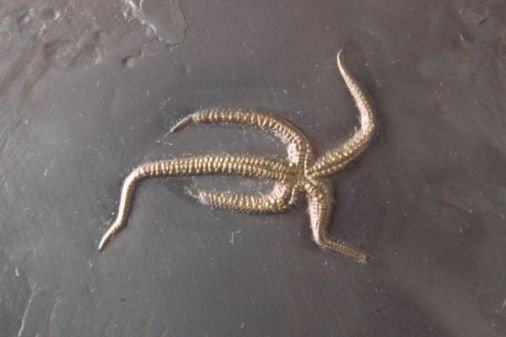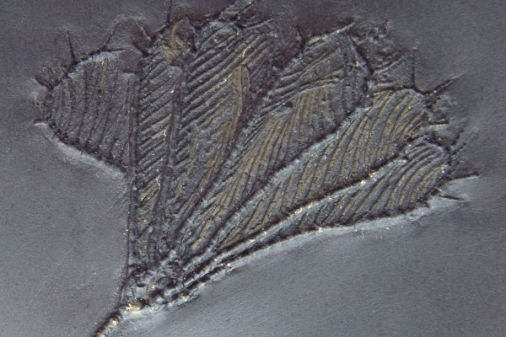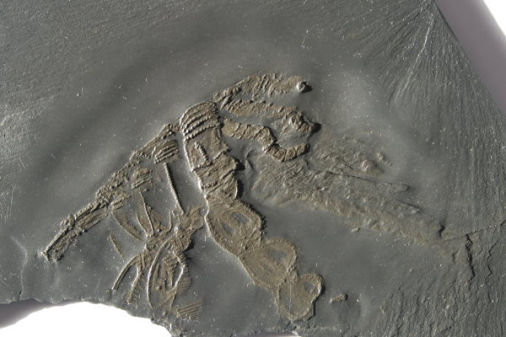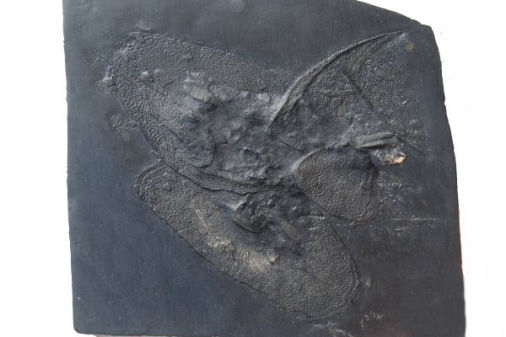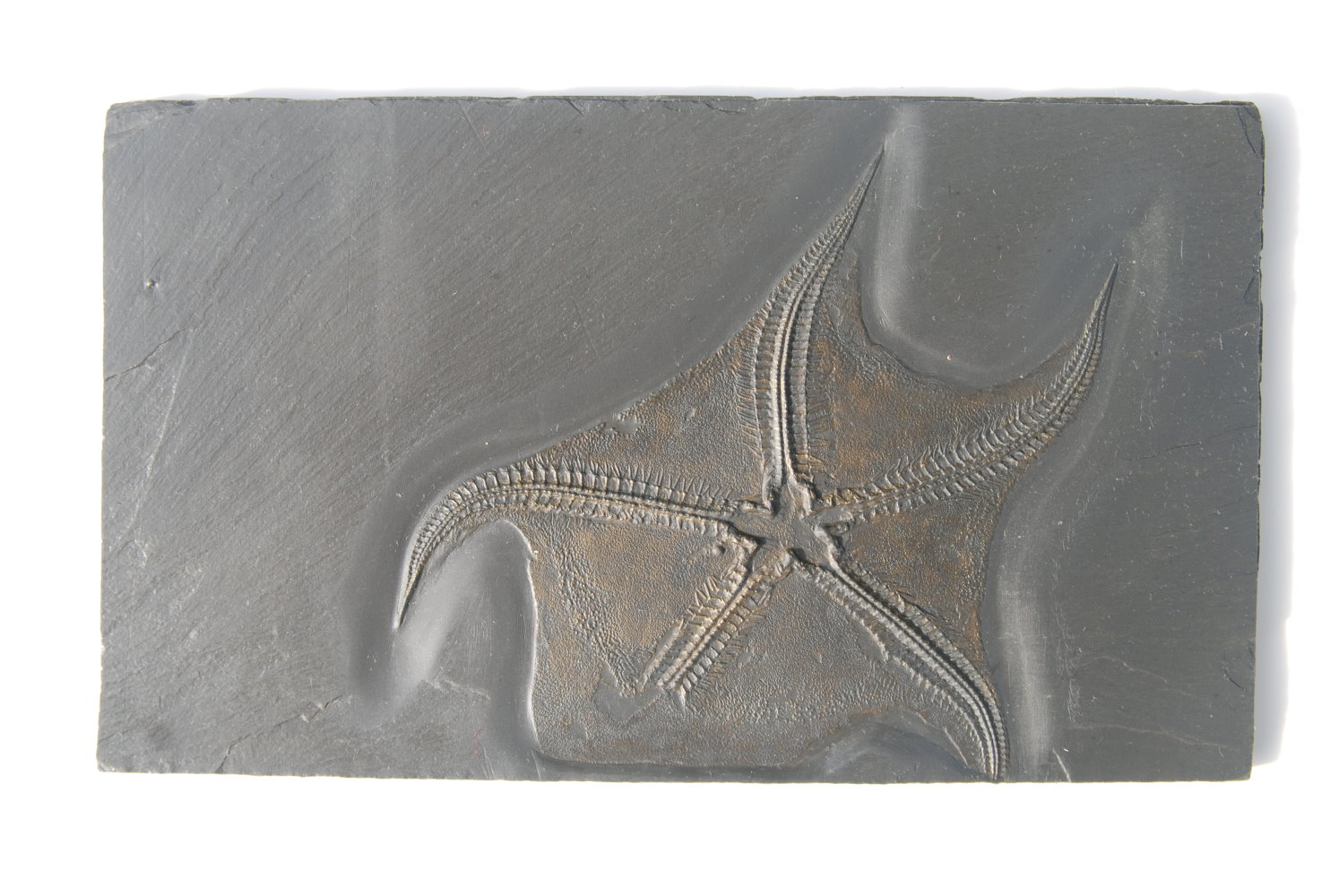
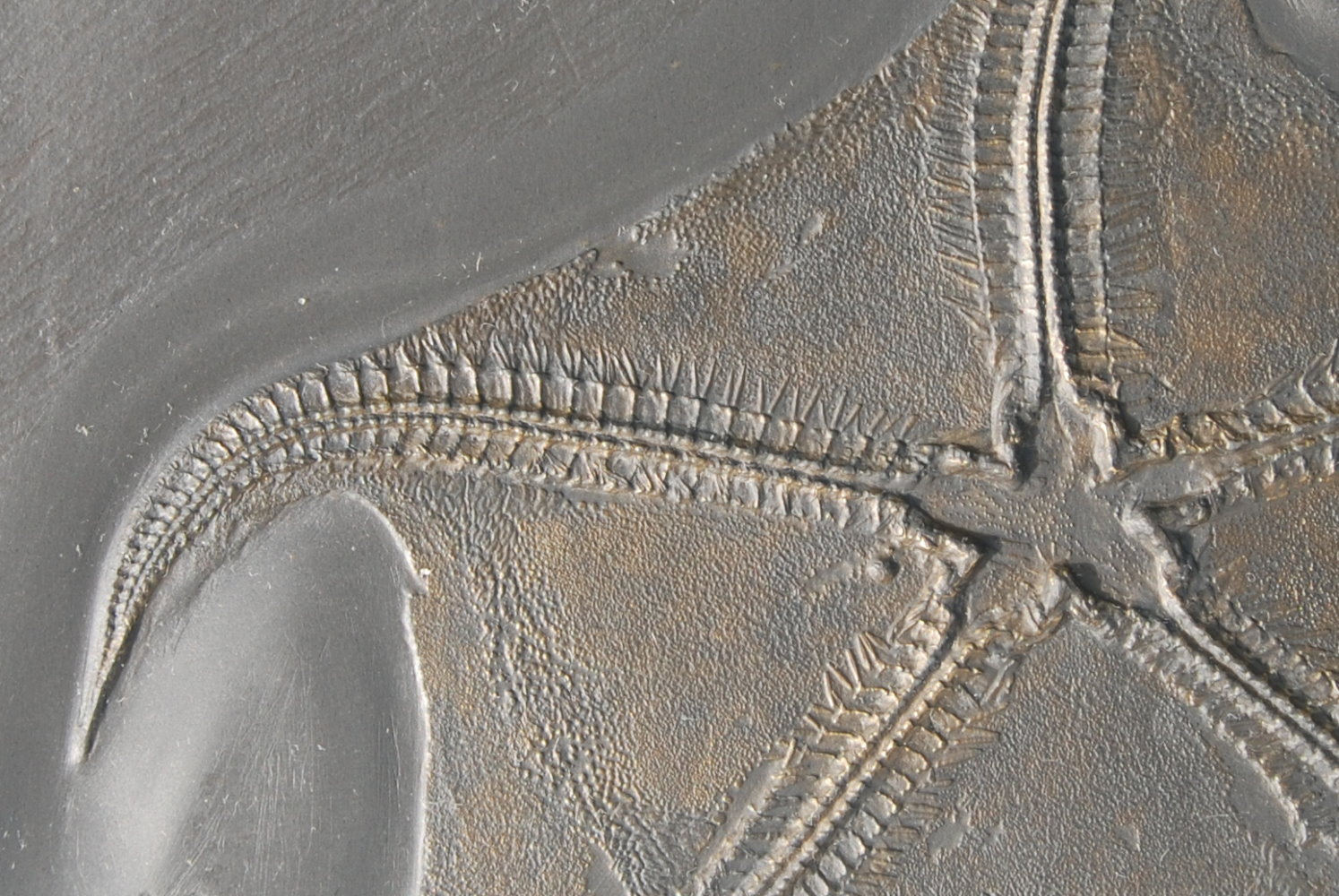
Loriolaster is one of the most attractive brittle stars in Bundenbach, therefore the species name "mirabilis", the "elegant". A characteristic feature is the thin smooth skin, which extends almost to the tips of the arms and is often damaged during preparation. Both covering skin sides are fused at the edge without a prominent rim. The oral skeleton consists of the greatly enlarged ambulacralia and the strong mouth corner pieces. A madropore plate is not proven. The spines are embedded in the covering skin and served to support the disk skin. Because of its size, about 20 cm spread out, slabs of Loriolaster are often trimmed.
Euzonosoma, like Loriolaster, can reach considerable size. The body disk is quite large and covered with a finely granulated skin. It is bordered by strong round edge plates. In adult specimens, the blocky edge plates show a finely grained structure. The oral skeleton is formed by the greatly enlarged first ambulacrals and the corner pieces of the mouth that abut on them. A small rippled madropore plate is rarely visible. The arms are widest at the edge of the disc and taper towards the tips. A spine is usually not visible in Euzonosoma. Complete specimen are quite rare, near complete ones showing all the characteristics as well.
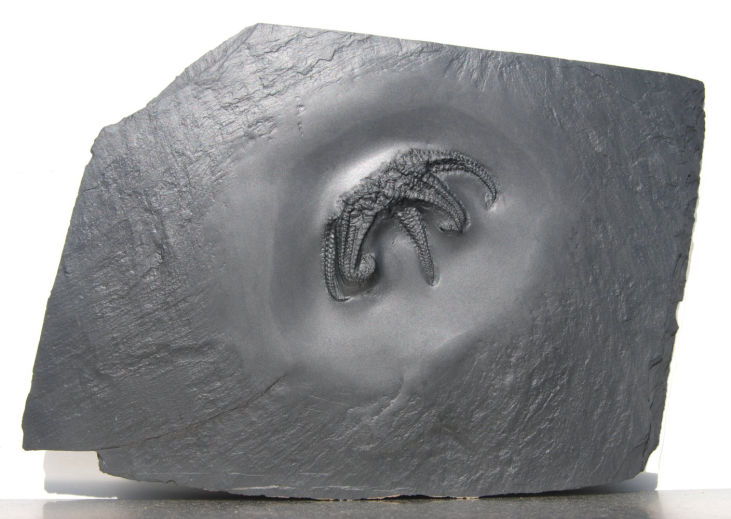
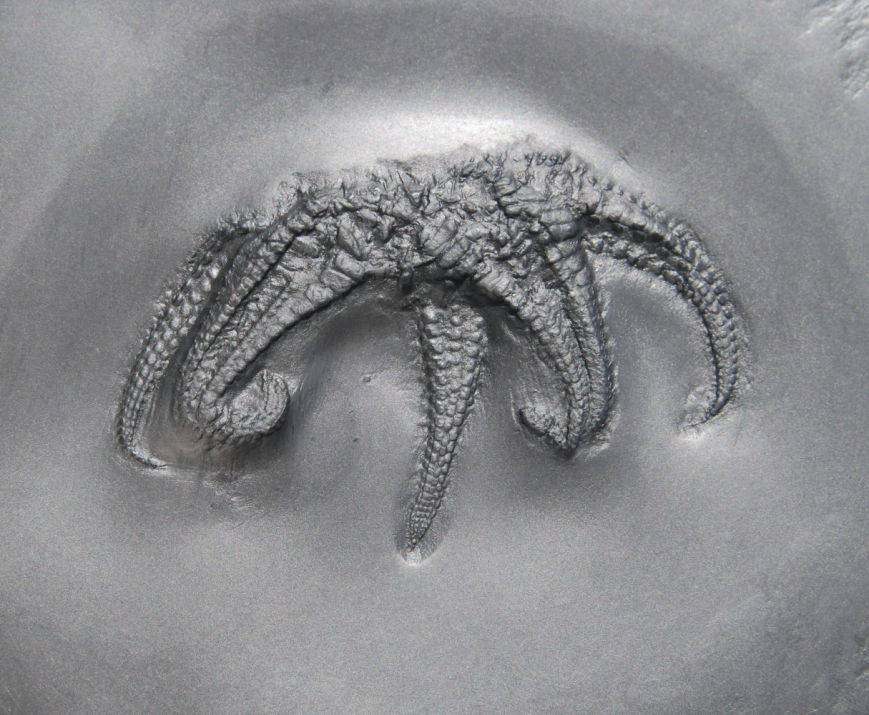
Encrinaster roemeri differs from Euzonosoma in the lack of a disc border with blocky marginal plates. The arms are also longer and narrow towards the arm tips. A rare, delicate representative of the Ophiuroids from Bundenbach.
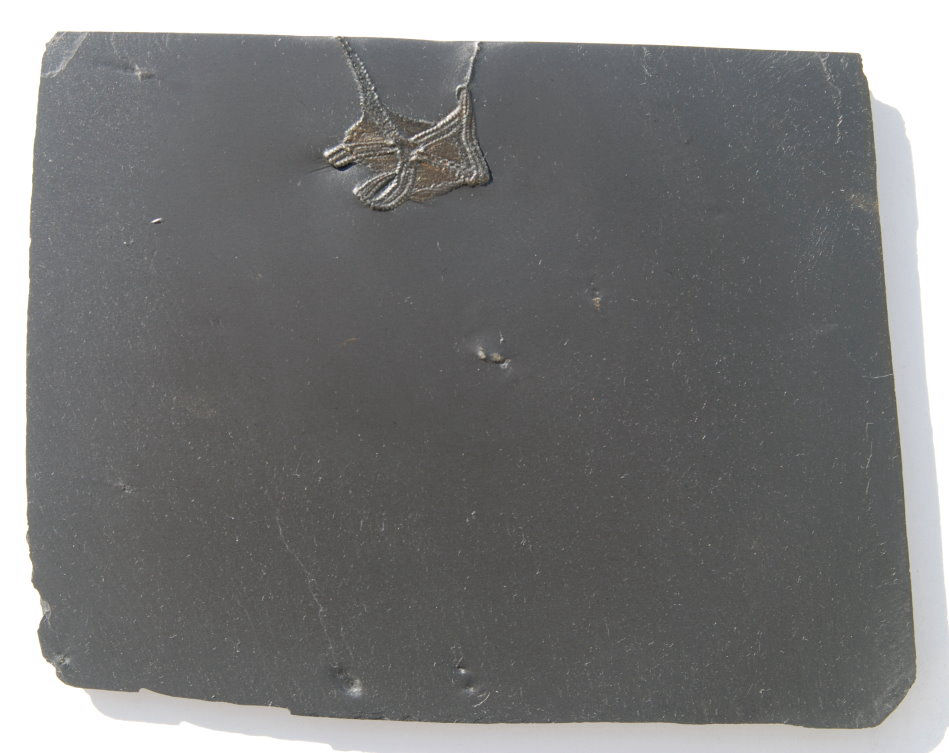
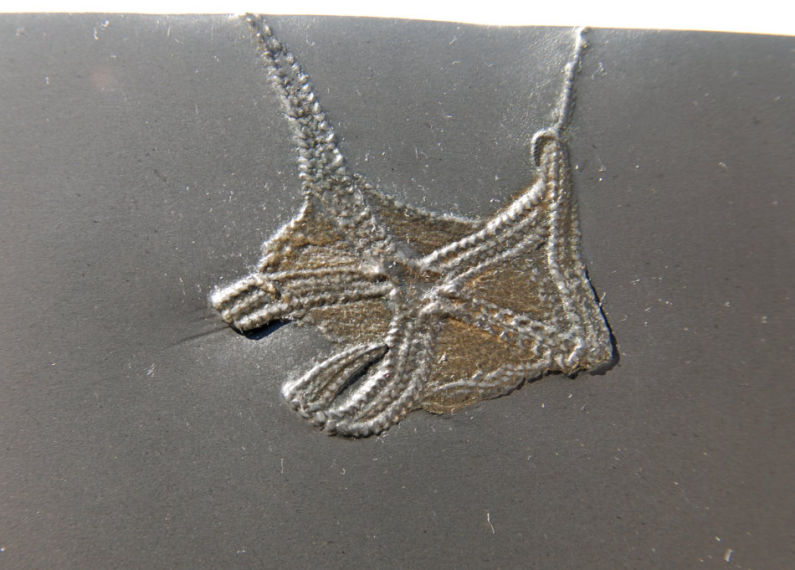
Like Loriolaster and Euzonosoma, Furcaster decheni has a very large shape and is therefore one of the most popular brittle stars. It has in common with Loriolaster the thin skin, which is easily damaged during preparation. The body disk is roundish, finely granulated and covered with short, fine spines - visible under the binocular - as well as a small roundish madropore plate near the mouth. Here, too, the muscular skeleton consists of the enlarged first ambucralia and the corner pieces of the mouth. The arms are - like a fork, Latin Furca, and probably eponymous - extraordinarily long and towards the tips (distal) very long and thin. Needle-shaped spines of the lateral shields have often been lost in older preparations.
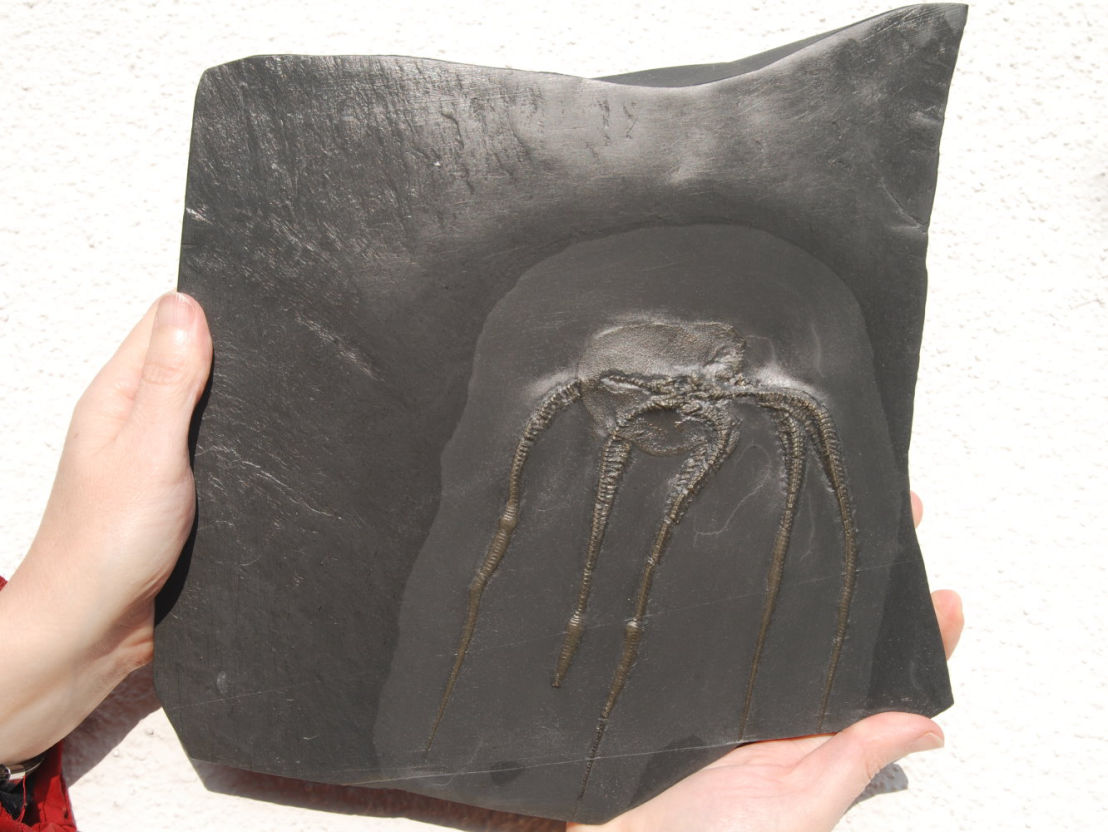
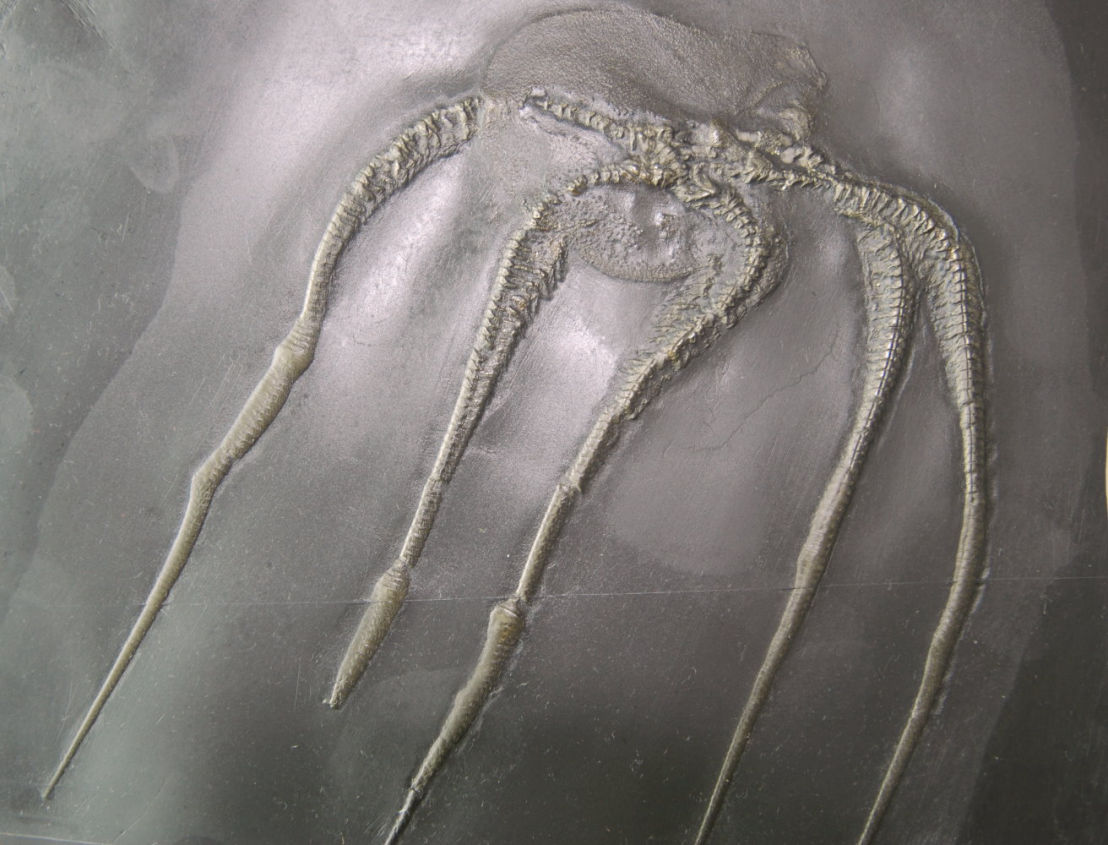
Furcaster palaeozoicus is decheni's "little brother" and the most common starfish in the Hunsrück slate. The fact that intermediate forms are missing and that the species palaeozoicus was widespread in Gemünden, but decheni was not found there speaks against the assumption of juvenile specimens. In addition to size, Furcaster palaeozoicus differs in its disproportionately long spines (if preserved) and the absence of a prominent ridge along the arms at the top (dorsal) vertebrae, as is typical of the robust species decheni.
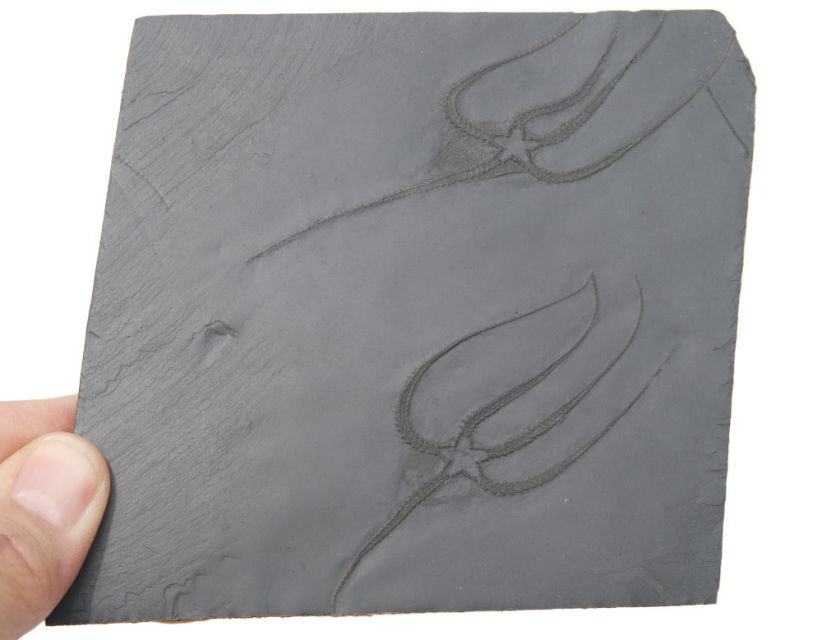
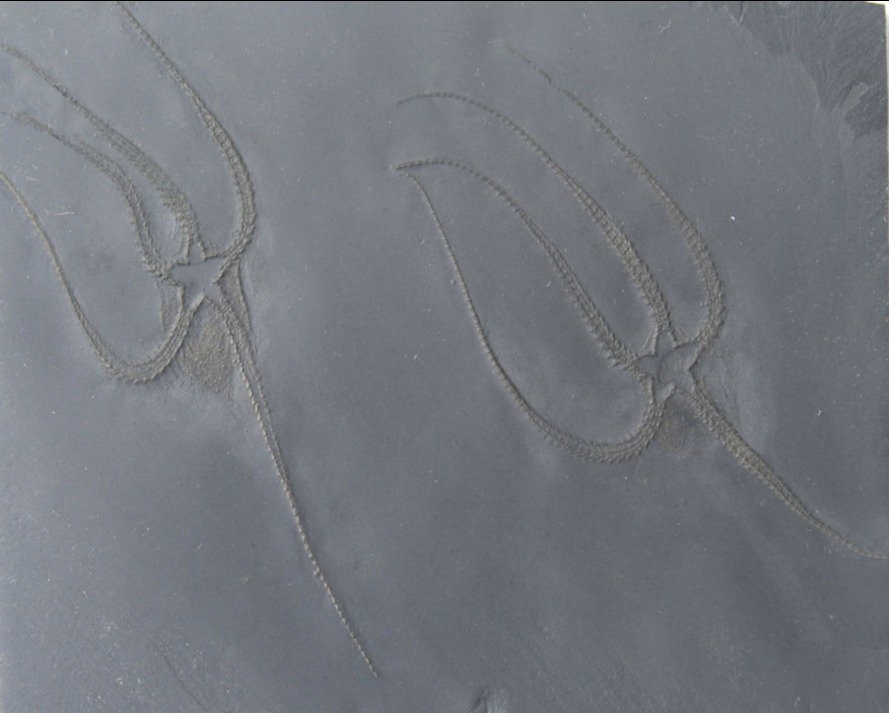
Ophiurina lymani is common like Furcaster palaeozoicus but has been overlooked because of its often tiny size. The rounded disc is also covered with a finely granulated skin, the border with 15 elongated plates is characteristic. As with all Ophiurae, the oral skeleton is formed by the enlarged first ambulacra and the corner pieces of the mouth. The arms taper towards the tips, giving the species its name: the snake-tailed one.
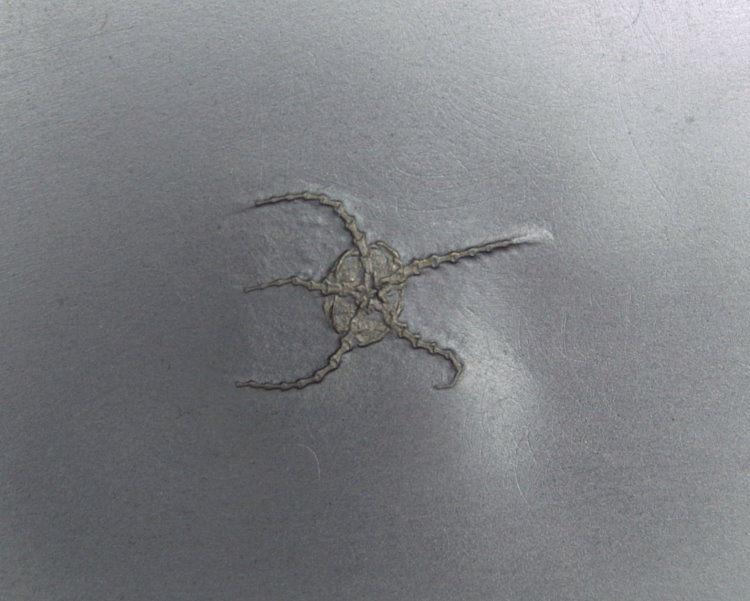
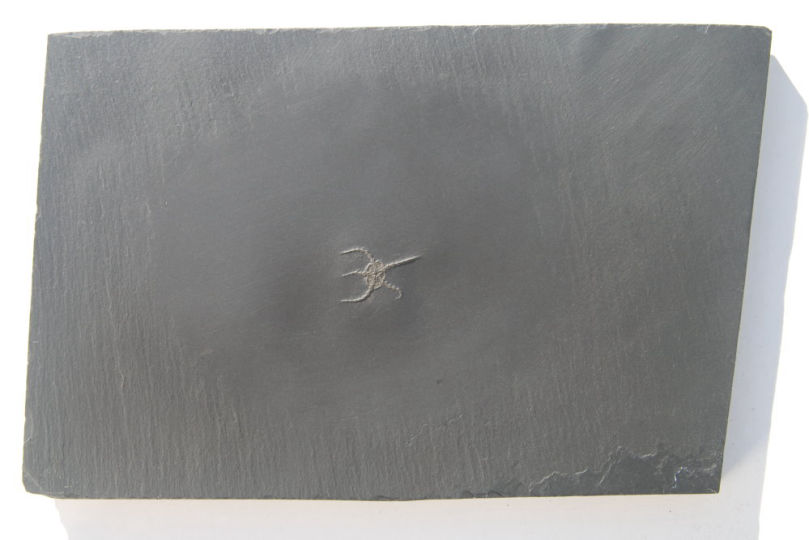
Eospondylus primigenius is related to Furcaster because of its shape and its ambulacral plates fused into vertebrae. The Madropor plate is also here, as in all Ophiuroidea on the underside (oral). However, it is much rarer and differs in that the round disk includes only two arm vertebrae and carries small imbricated plates. Unlike Furcaster, the arms are only moderately long, the halves of the vertebrae are boot-shaped, and the side shields are crescent-shaped. The most striking are - with good preservation and preparation - the long spines.
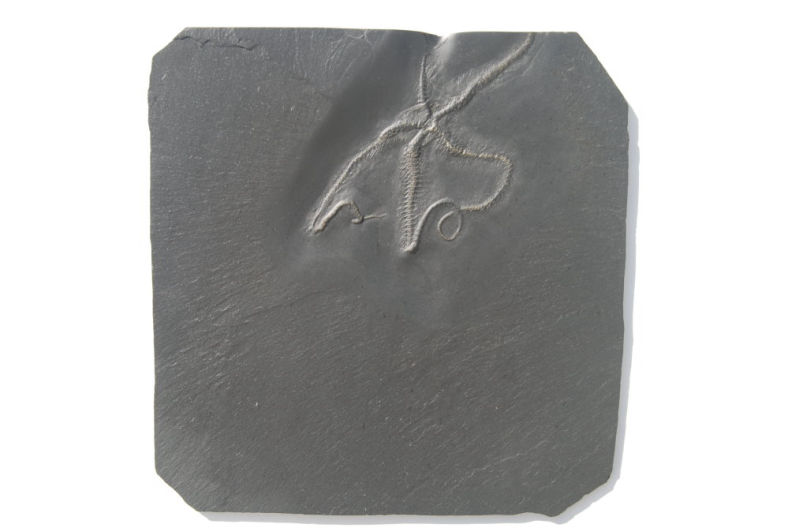
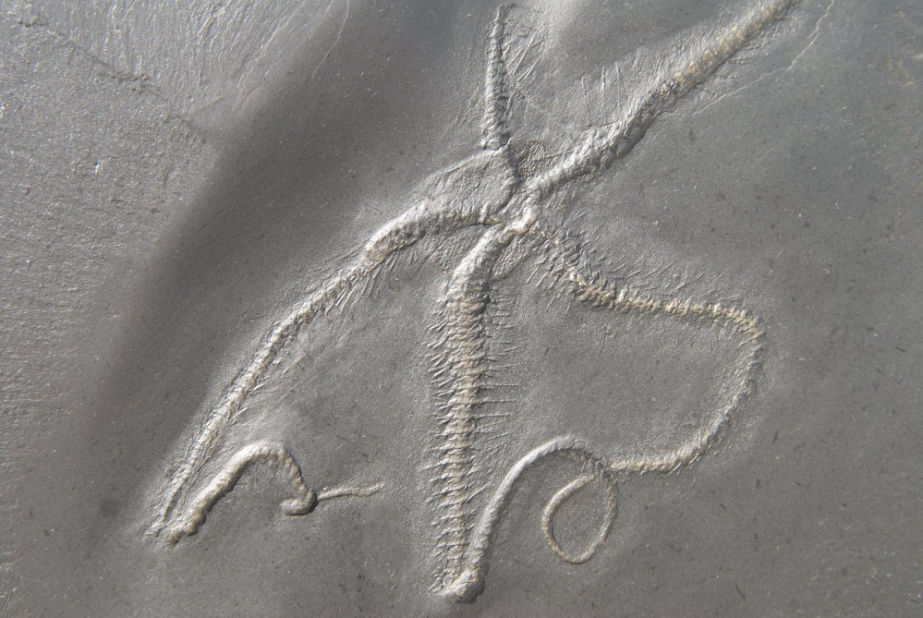
Bundenbachia beneckei is the only genus that bears the locality of this fossil deposit in its name (in the meantime: Taeniaster beneckei). Like Furcaster and Ophiurina a more common genus. The disk is made up of oval-shaped scale-like plates that form a net-like granular skin. The ambulacral plates are alternate, unconnected, and boot-shaped. The Madroporenplatte is also inconspicuous here. The arms are wide at the edge of the disc and end in long, whip-shaped ends. Spines are rarely preserved. The first detection of ambulacral feet in fossil ophiuroids caused a stir in science.
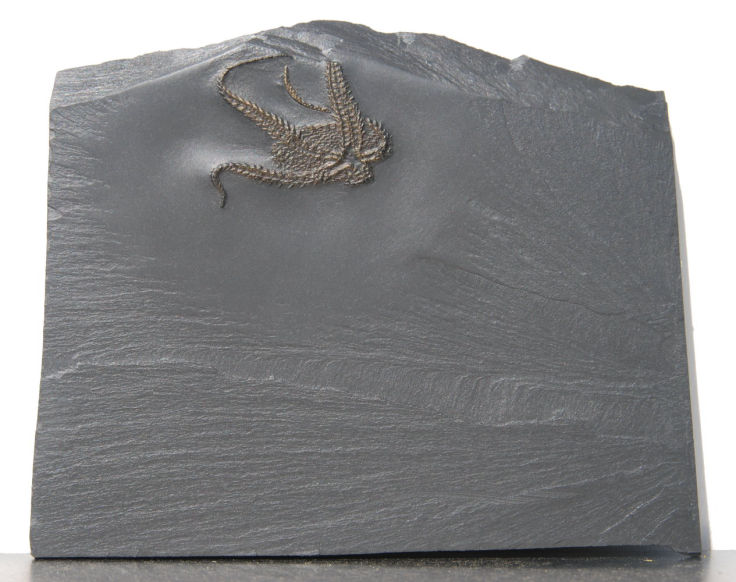
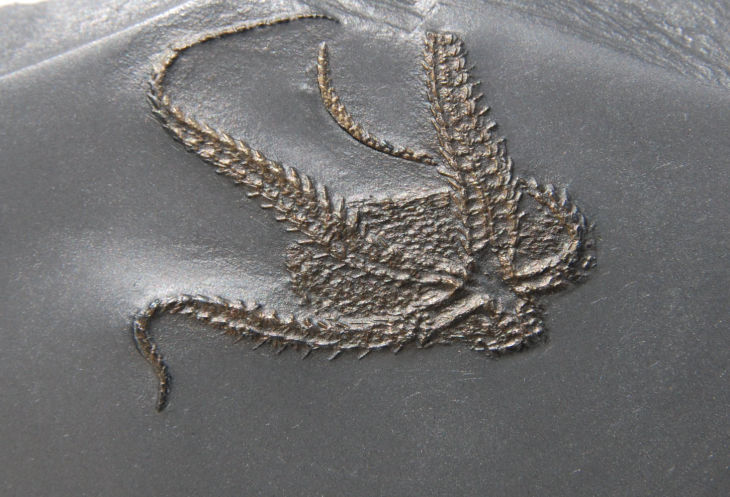
With its 11 to 15 arms, Medusaster rhenanus is one of the most delicate brittle stars from Bundenbach. The narrow arms are tapered and rounded at the end. Body disc and oral skeleton are the same size. The thus extraordinarily large mouth is formed by the first ambulacralia. Five delicate rows of spikes are prominent on the top of each arm.
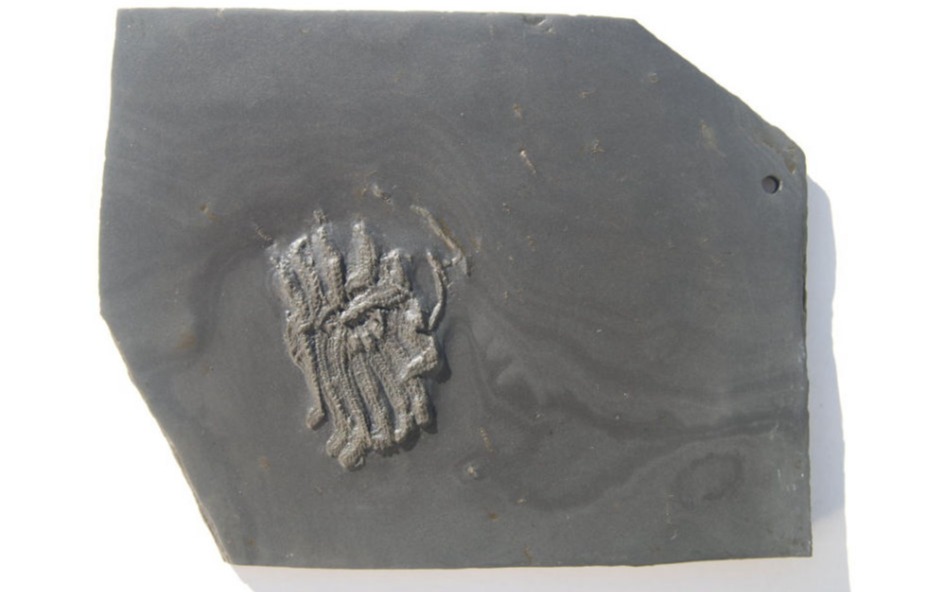
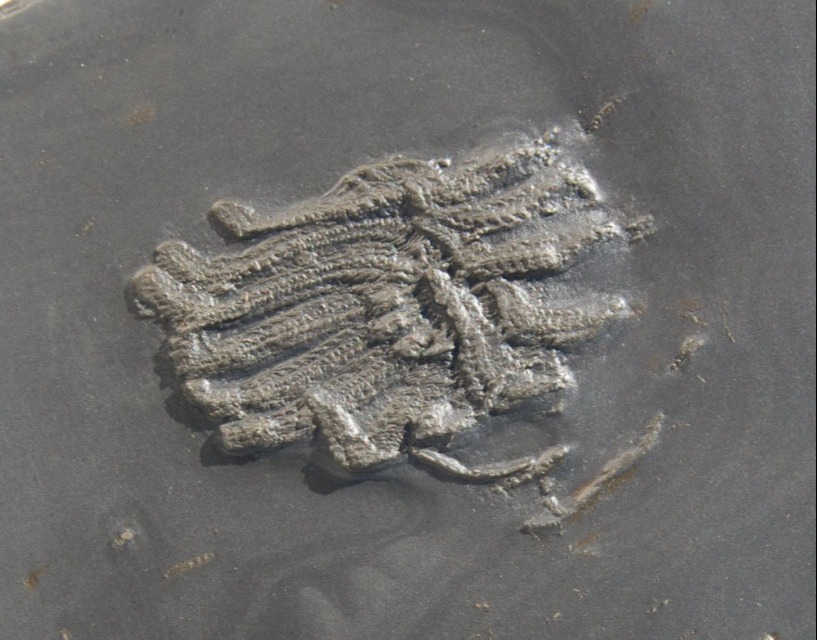
Urasterella asperula is a "real" starfish and the one that is most commonly found in the Hunsrück slate. The body disc is very small and consists of a six-sided central plate. The oral skeleton consists of triangular flat pieces. The Madropor plate is small, rounded and corrugated. The upper side (dorsal) of the narrow arms is rounded - depending on the state of preservation and preparation, hair-thin spines are visible. The plates of the underside (oral) are arranged in two rows on both sides, forming a wide open arm furrow - the adambulacral plates are also studded with long spines. In appearance, Urasterella asperula most closely resembles the species known today.
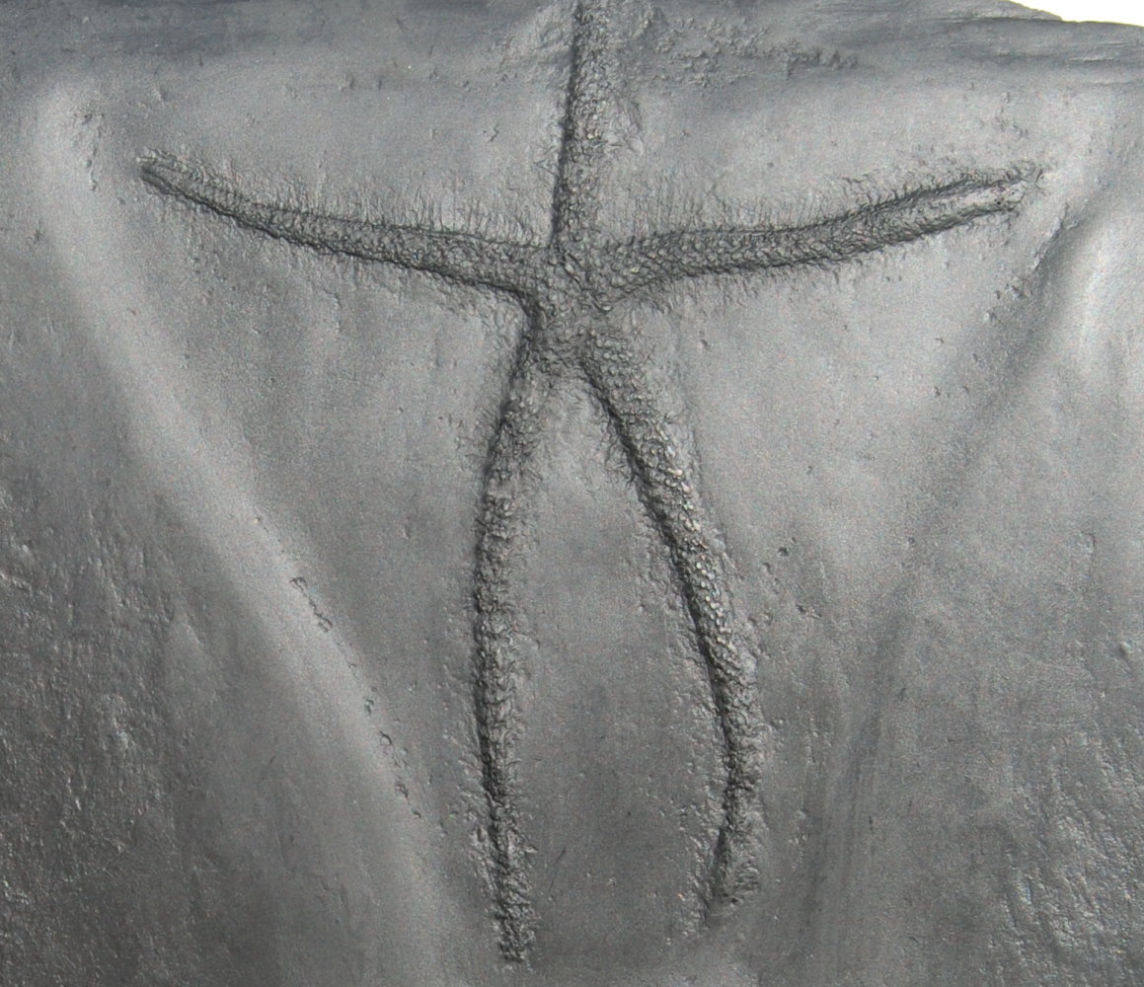
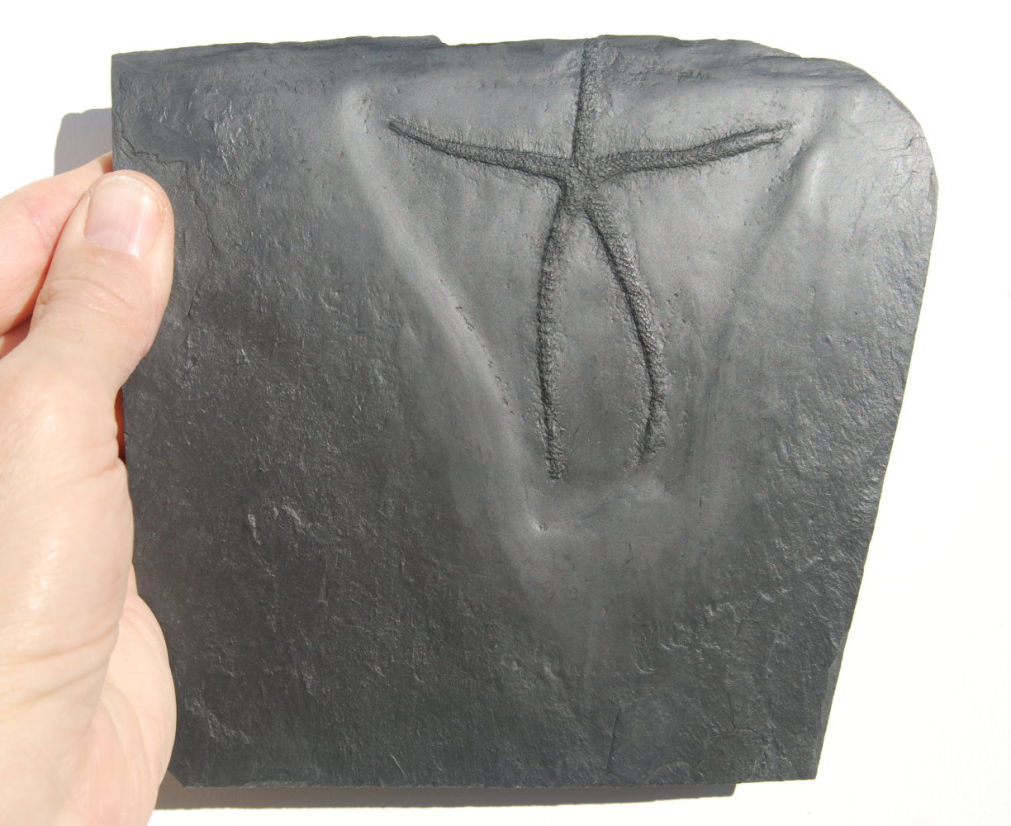
Bdellacoma verruculosa (formerly Urasterella verruculosa), called the "warty one", is also a "true" starfish. The position of the madrepore plate (near a radial) and its ribbed structure speak for this. The body disk is extraordinarily small in relation to the long, band-like flattened arms. The oral skeleton consists of a ring of sturdy plates. Small, rounded plates bearing tiny spikes can be observed on the edges of the arms. Typically (also in museum pieces) individual arm tips are torn off at Bdellacoma and remained on the counter plate during splitting.
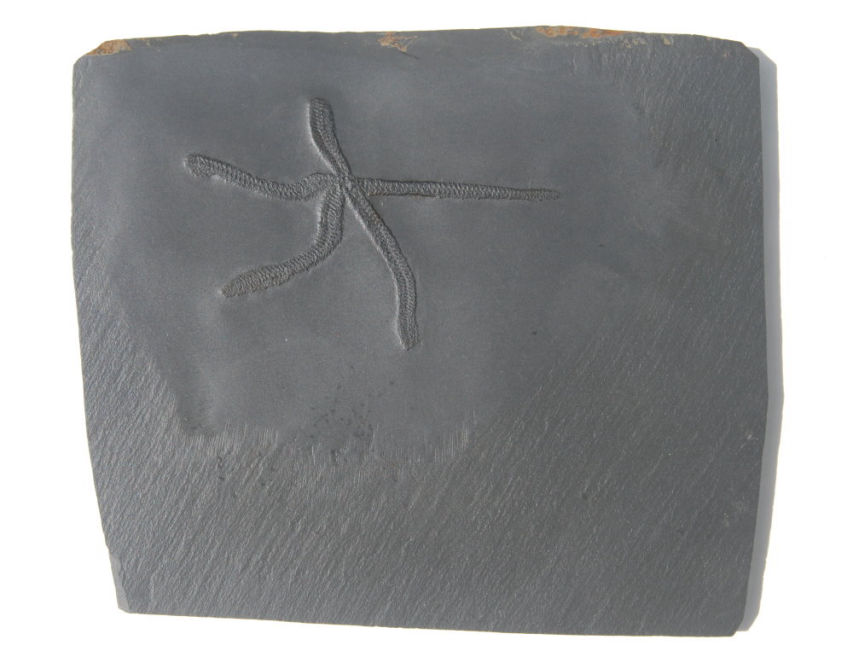
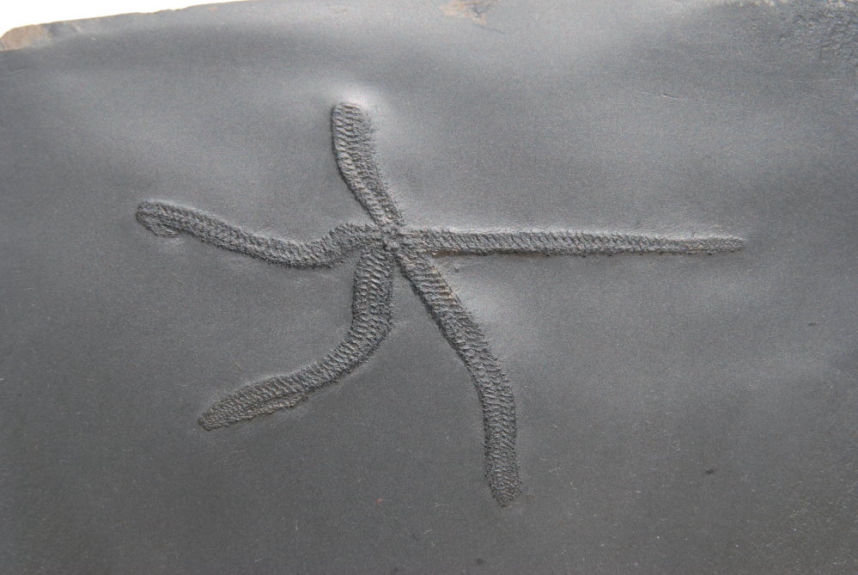
Hystrigaster horridus, called the "fearsome wild boar" due to its long and robust spines. A large, rare star with short, broad arms. On the upper side the spines are arranged in three longitudinal rows. They sat on plates with ball joints and were movable. The mouth on the underside is very large and is surrounded by a madrepore plate. One of the most sought after "true" Bundenbach starfish.
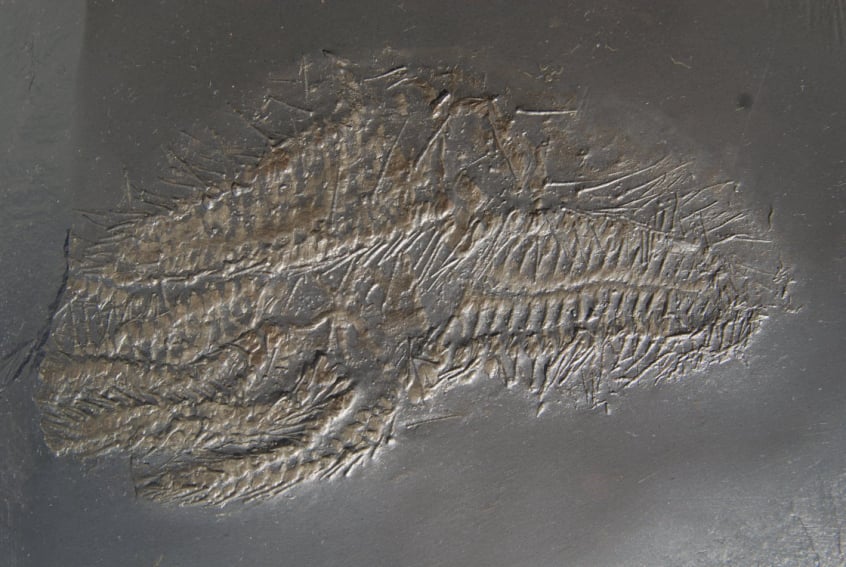
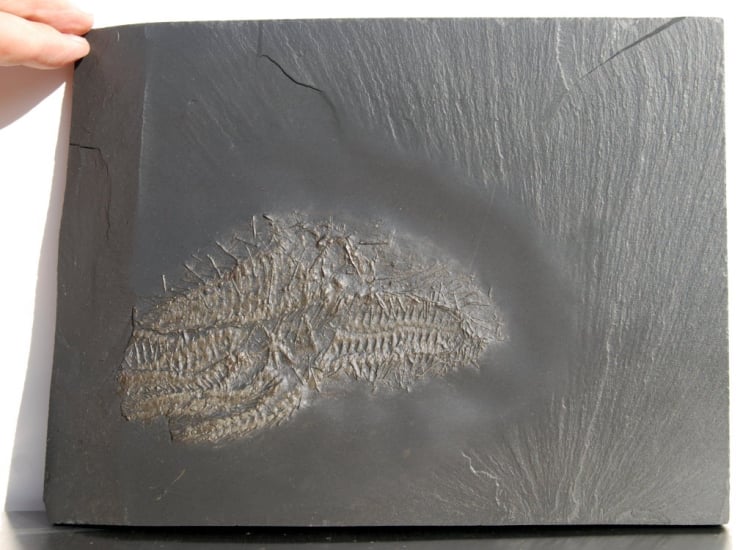
The species name of Jaekelaster is borrowed from the Greek word “Petalos”, because the arms of this starfish fan out like a petal. Its appearance is reminiscent of the “common starfish” as we know it from the North Sea. Typically, the flexible arms were regulated and additionally twisted by the flow. The upper arms are covered with cone-shaped spines. On the upper (oral) side there is a small madrepore plate visible. Like Hystrigaster one of the most sought after "true" Bundenbach starfish with an arm length of up to 14 cm.
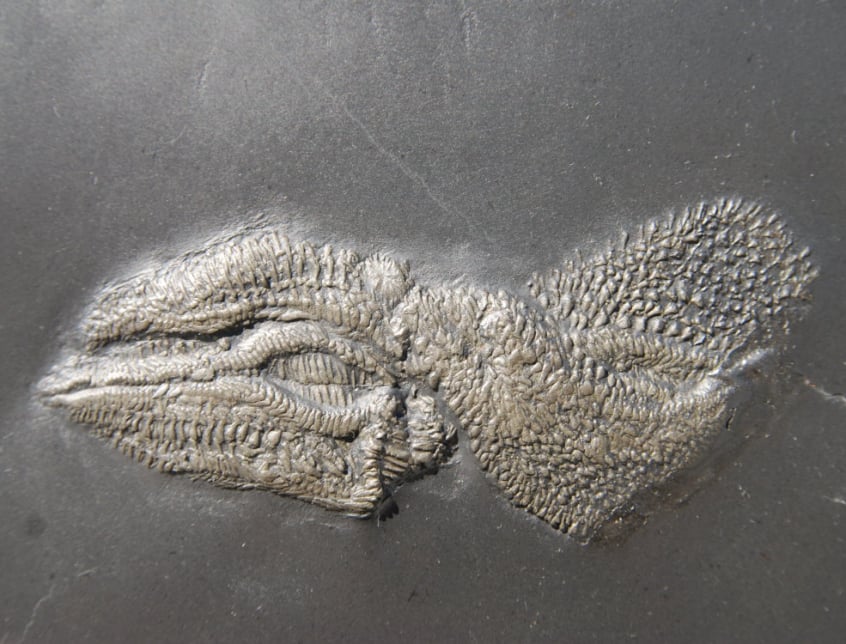
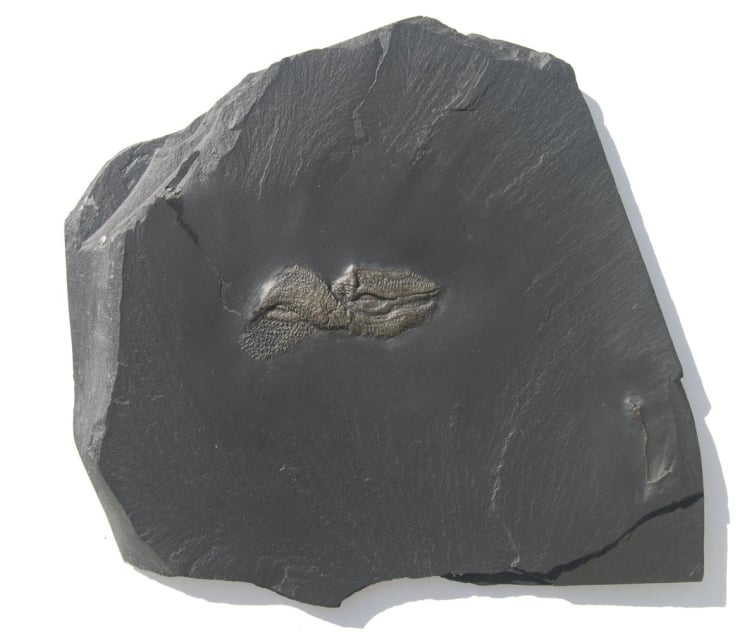
The roofing slates of Bundenbach represent the world's most important fossil deposit for starfish of the Paleozoic Era. Nowhere else are specimens found in this variety and condition. The so far only comprehensive monograph by LEHMANN (1957) on "The Asterozoa in the roof slates of the Rhenish Lower Devonian" states: "Almost a third of all known star animals come from the Devonian and a significant proportion of them are attributable to the Lower Devonian forms of the Hunsrück slate. There are a total of 50 species are known to date, distributed over 33 genera."
An estimated 99% of all past finds are of about a dozen different species that we are able to offer from time to time. Please contact us, we will be happy to include your wishes on our list of reserved customers.
The fossil record for starfish is ancient, dating back to the Ordovician around 450 million years ago, but it is rather sparse, as starfish tend to disintegrate after death. Only the ossicles and spines of the animal are likely to be preserved, making remains hard to locate. With their appealing symmetrical shape, starfish have played a part in literature, legend, design and popular culture. They are sometimes collected as curios, used in design or as logos, and in some cultures, despite possible toxicity, they are eaten.
Starfish or sea stars are star-shaped echinoderms belonging to the class Asteroidea. Common usage frequently finds these names being also applied to ophiuroids, which are correctly referred to as brittle stars or basket stars. Starfish are also known as Asteroids due to being in the class Asteroidea. About 1,500 species of starfish occur on the seabed in all the world's oceans, from the tropics to frigid polar waters. They are found from the intertidal zone down to abyssal depths, 6,000 m (20,000 ft) below the surface.

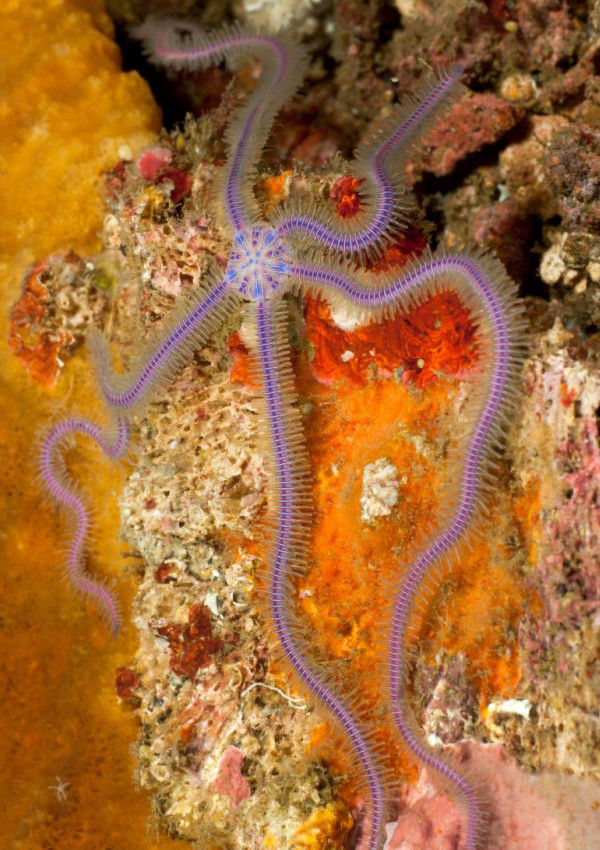
Starfish are marine invertebrates. They typically have a central disc and usually five arms, though some species have a larger number of arms. The aboral or upper surface may be smooth, granular or spiny, and is covered with overlapping plates. Many species are brightly coloured in various shades of red or orange, while others are blue, grey or brown. Starfish have tube feet operated by a hydraulic system and a mouth at the centre of the oral or lower surface. They are opportunistic feeders and are mostly predators on benthic invertebrates. Several species have specialized feeding behaviours including eversion of their stomachs and suspension feeding. They have complex life cycles and can reproduce both sexually and asexually. Most can regenerate damaged parts or lost arms and they can shed arms as a means of defense. The Asteroidea occupy several significant ecological roles. Starfish, such as the ochre sea star (Pisaster ochraceus) and the reef sea star (Stichaster australis), have become widely known as examples of the keystone species concept in ecology. The tropical crown-of-thorns starfish (Acanthaster planci) is a voracious predator of coral throughout the Indo-Pacific region, and the northern Pacific sea star is considered to be one of the world's 100 worst invasive species.
Source: Wikipedia